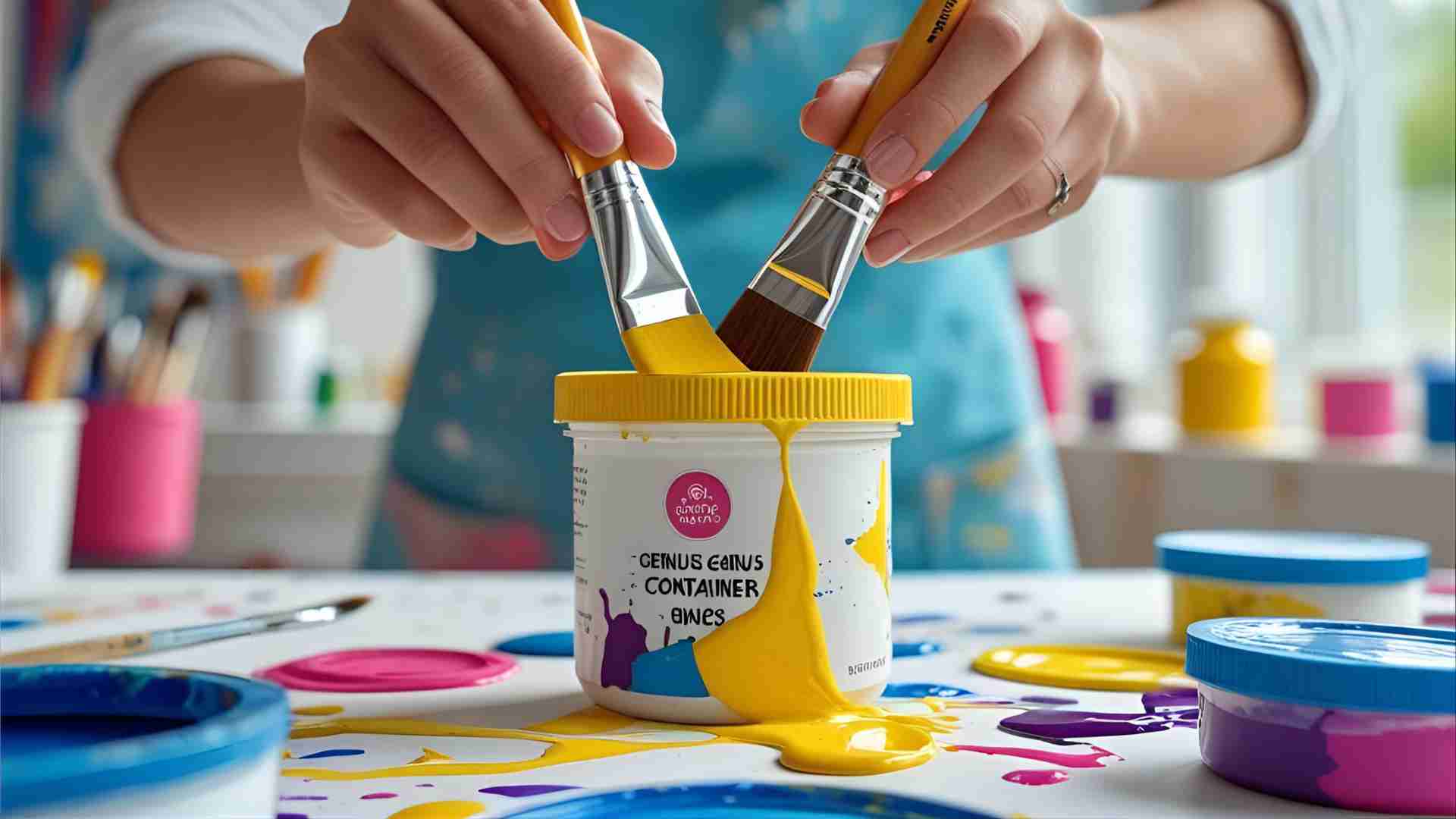
Prevent Messy Paintbrush Drips With A Genius Container Lid Hack
Discover a genius container lid hack to prevent messy paintbrush drips when painting cabinet doors. Learn expert techniques for a flawless finish.
Painting cabinet doors can transform a kitchen or bathroom, but drips and runs can ruin the finish, leaving unsightly bumps and imperfections. A common issue, as shared by a user on a social platform, is paint dripping down the sides of cabinet doors when laid flat, creating small bumps after drying. Fortunately, a simple yet effective container lid hack, combined with proven painting techniques, can ensure a smooth, professional finish without the mess. This comprehensive guide explores the container lid hack, expert tips for drip-free painting, and recommended tools and materials to achieve flawless cabinet doors, optimized for both beginners and seasoned DIYers.
Understanding the Problem: Why Paint Drips Occur
Paint drips happen when too much paint is applied, causing it to pool and run, especially on vertical or edge surfaces like cabinet doors. When painting cabinet doors laid flat, as the original poster described, excess paint on the edges can flow downward, forming bumps or runs as it dries. This is often exacerbated by:
- Overloading the applicator: Using a brush or roller with too much paint.
- Incorrect tools: Sponge brushes, for instance, lack the absorbency needed to control paint application.
- Poor technique: Applying thick coats or rushing the process.
- Low-quality paint: Cheaper paints may have poor flow and leveling properties, increasing drip risk.
The container lid hack, popularized on platforms like TikTok and Instagram, addresses drips by catching excess paint before it reaches your hands, floors, or surfaces. Combined with proper techniques, this hack can elevate your painting game.
The Genius Container Lid Hack: Step-by-Step
The container lid hack is a cost-effective, eco-friendly solution that repurposes everyday items like Pringles can lids, yogurt container tops, or Tupperware lids to catch paint drips. Here’s how to implement it:
Materials Needed
- Empty container lid (e.g., Pringles can lid, yogurt lid, or Tupperware lid)
- Drill with a bit (or screwdriver and hammer for manual hole-making)
- Exacto knife (for brush handles)
- Paintbrush or roller
- Drop cloths or protective sheeting
- Painter’s tape (optional, for securing the lid)
Instructions for Paintbrushes
- Select a Lid: Choose a sturdy plastic lid, such as from a yogurt container or Tupperware. Ensure it’s wide enough to catch drips (at least 4–6 inches in diameter).
- Cut a Slit: Using an exacto knife, cut a slit in the center of the lid, large enough for the paintbrush handle to slide through but snug enough to prevent paint from seeping through. For a 1-inch brush handle, a 1.2-inch slit works well.
- Position the Lid: Slide the lid onto the brush handle, pushing it close to the bristles. If the lid has a raised lip, position it upward to act as a drip-catching tray.
- Paint with Confidence: The lid catches drips as you paint, especially on vertical surfaces or above eye level, like cabinet edges or ceilings.
- Clean or Store: After painting, remove the brush and let the paint dry on the lid for reuse, or wipe it clean with a rag. Store the lid with your painting supplies to avoid confusion with food containers.
Instructions for Rollers
- Choose a Pringles Can Lid: A standard Pringles can lid fits most 9-inch rollers, while a smaller can works for mini rollers (4–6 inches).
- Drill a Hole: Drill a hole in the center of the lid, slightly larger than the roller handle’s diameter (typically 0.5–0.75 inches). If you lack a drill, use a screwdriver and hammer to punch a hole.
- Attach the Lid: Remove the roller cover from the frame, slide the lid onto the handle, and reattach the roller cover. Ensure the lid sits snugly against the roller.
- Paint and Store: The lid catches drips during painting. For storage, place the roller inside the Pringles can, snap the lid closed, and keep it moist for days, eliminating the need for immediate cleaning.
- Clean or Reuse: Wipe the lid clean or let the paint dry for future use. Replace if the hole becomes too loose.
Cost and Availability
- Pringles Can: ~$2–$3 at grocery stores (or free if you already have one).
- Yogurt/Tupperware Lid: Free from household items.
- Drill or Exacto Knife: Basic models cost $10–$20 at hardware stores like Home Depot or Amazon.
- Painter’s Tape (optional): 3M ScotchBlue Painter’s Tape (1.88 inches, 60 yards) costs ~$6–$8.
This hack is nearly cost-free if you repurpose household items, making it accessible for any DIY painter.
Expert Techniques to Prevent Paint Drips
While the container lid hack catches drips, preventing them in the first place is key to a professional finish. Social media discussions, including insights from users like TheSerialHobbyist and TW1TCHYGAM3R, emphasize techniques that complement the hack:
1. Apply Thin Coats
Multiple thin coats are universally recommended for a smooth, drip-free finish. Thick coats lead to sagging and runs, especially on edges. To achieve thin coats:
- Load Lightly: Dip the brush or roller lightly into the paint. For brushes, wipe excess on the can’s rim; for rollers, roll off excess in the tray’s ridges.
- Spread Evenly: Apply paint in 2–3 passes to cover an area, ensuring a thin, even layer. For rollers, use a 3/8-inch nap for smooth surfaces like cabinet doors.
- Use Quality Paint: High-end paints like Benjamin Moore Advance or Sherwin-Williams Emerald Urethane Trim Enamel have better flow and leveling, reducing drips. These cost $50–$80 per gallon but save time and effort.
2. Sand Between Coats
Light sanding between coats smooths imperfections like drips or bumps. Use 220–400 grit sandpaper for a fine finish:
- Process: After each coat dries (follow the paint’s recommended dry time, typically 4–6 hours), sand lightly, wipe with a tack cloth, and apply the next coat.
- Tools: 3M Sandpaper (220 grit, 10 sheets) costs ~$5 at hardware stores.
3. Use the Right Tools
Sponge brushes, as used by the original poster, are not ideal for cabinet painting due to poor paint control. Instead:
- Brushes: Use high-quality bristle brushes like Purdy XL Dale (2-inch, ~$15) for edges and trim. These absorb and release paint evenly, reducing drips.
- Rollers: Opt for foam or microfiber rollers with a 3/8-inch or 1/4-inch nap for smooth surfaces. Whizz or Purdy Colossus rollers (~$5–$10) are highly recommended.
- Sprayers: For a professional finish, consider an HVLP (High Volume Low Pressure) sprayer like the Wagner Control Pro 130 (~$130). These apply a fine mist, minimizing runs but requiring skill.
4. Elevate Cabinet Doors
Laying doors flat on plastic sheeting, as the original poster did, can trap paint and cause pooling. Instead, elevate doors using:
- Painter’s Pyramids: Small plastic stands (~$8–$15 for 20–50) that raise doors 1–2 inches, allowing you to paint edges without sticking.
- DIY Alternatives: Use small wood blocks or empty cardboard boxes to elevate doors.
5. Additives for Better Flow
Additives like Floetrol (~$7–$10 per quart) improve paint flow and leveling, especially for latex paints. Mix according to the label (typically 8 oz per gallon) to reduce brush marks and drips, particularly on warm or dry days.
6. Paint Edges First
Start with the edges of cabinet doors before painting the flat surfaces. Allow edges to tack off (partially dry) for 5–10 minutes to reduce drips flowing downward. Use a bristle brush for precise edge application.
Complementary Hack: Clean Paint Can Rims
Drips from paint cans can also create messes. A popular hack from social media involves using painter’s tape to create a pour spout:
- Method: Stretch 2-inch masking tape (e.g., 3M 233+ Green, ~$6–$8) across the open paint can, pressing it into the rim to form a V-shaped spout. Pour paint into a tray or container, then remove the tape.
- Caveats: Use high-tack tape (not blue painter’s tape) to avoid spills. Alternatively, purchase a reusable plastic pour spout (~$1–$2 at Home Depot) for reliability.
- Alternative: Punch small holes in the can’s rim with a nail or screwdriver to let paint drain back into the can, though this may compromise the seal.
Recommended Paints and Tools: Specifications and Pricing
Choosing the right paint and tools is critical for a drip-free finish. Below is a table summarizing top recommendations based on social media insights and industry standards:
| Product | Type | Specifications | Price (USD) | Where to Buy |
|---|---|---|---|---|
| Benjamin Moore Advance | Alkyd-based cabinet paint | Self-leveling, hard finish, low odor, 1-gallon | $70–$80 | Benjamin Moore stores, select retailers |
| Sherwin-Williams Emerald Urethane Trim Enamel | Urethane-alkyd hybrid | Durable, smooth finish, 1-gallon | $75–$85 | Sherwin-Williams stores |
| Behr Marquee | Latex-based cabinet paint | Good flow, colorfast, 1-gallon | $40–$50 | Home Depot |
| Purdy XL Dale Brush | Bristle brush | 2-inch, medium stiffness, for edges | $15 | Home Depot, Amazon |
| Whizz Microfiber Roller | Roller cover | 4–9 inches, 3/8-inch nap, smooth surfaces | $5–$10 | Home Depot, Amazon |
| Painter’s Pyramids | Elevation stands | Plastic, 1–2 inches tall, 20–50 pack | $8–$15 | Amazon, hardware stores |
| Floetrol | Paint additive | Improves flow, 1-quart | $7–$10 | Home Depot, Amazon |
| Wagner Control Pro 130 | HVLP sprayer | 0.29 GPM, FF 212 tip for cabinets | ~$130 | Home Depot, Amazon |
Workflow for Painting Cabinet Doors
To visualize the painting process, here’s a flowchart outlining the steps for a drip-free finish

This flowchart ensures a systematic approach, integrating the container lid hack with expert techniques.
Troubleshooting Common Issues
Even with the best techniques, issues may arise. Here’s how to address them:
- Drips on Edges: Sand with 400-grit sandpaper, then reapply a thin coat with a bristle brush.
- Brush Marks: Use Floetrol or switch to a foam roller for smoother application.
- Loose Lid Hole: Replace the lid if the slit or hole becomes too wide, allowing paint to seep through.
- Paint Peeling: Ensure proper surface prep (cleaning and sanding) and use a high-quality primer like Zinsser BIN (~$20 per quart).
Benefits of the Container Lid Hack
The container lid hack offers several advantages:
- Cost-Effective: Repurposes household items, costing $0–$3.
- Eco-Friendly: Reduces waste by reusing lids and minimizing cleanup.
- Versatile: Works for brushes, rollers, and various painting projects.
- Time-Saving: Eliminates frequent cleaning and protects surfaces from drips.
- Storage Solution: Keeps rollers moist for days, as proven by TIP Centric’s 25-day test.
Expert Insights from Social Media
Social media discussions highlight the importance of patience and quality materials:
- TheSerialHobbyist: “Multiple thin layers is pretty much always the key to every kind of painting.”
- TW1TCHYGAM3R: “You are most likely applying too much paint causing drips. Applying thinner coats will prevent this.”
- humble_as_a_mumble: Recommends a meticulous process of cleaning, sanding, priming, and painting with Benjamin Moore Advance and a Whizz roller for a smooth finish.
- mdmachine: Suggests painter’s pyramids and enamel paints like Benjamin Moore Advance for self-leveling properties.
These insights reinforce the need for thin coats, proper tools, and the container lid hack to minimize messes.
Conclusion
The container lid hack is a game-changer for preventing messy paintbrush drips when painting cabinet doors. By repurposing a Pringles can lid, yogurt top, or Tupperware lid, you can catch drips, protect surfaces, and even store rollers for future use. Combined with expert techniques like applying thin coats, sanding between layers, using high-quality brushes and rollers, and elevating doors with painter’s pyramids, this hack ensures a professional, drip-free finish. Whether you’re a DIY novice or a seasoned painter, this cost-effective, eco-friendly solution, paired with the right tools and paints, will elevate your cabinet painting project to the next level. Start with items you already have, follow the steps outlined, and enjoy a flawless, mess-free result.
Please share this Prevent Messy Paintbrush Drips With A Genius Container Lid Hack your friends and do a comment below about your feedback.
We will meet you on next article.
Until you can read, Clever DIY Tension Rod Shoe Shelving for Your Closet