What plants draw the hummingbirds to your yard?
Discover the best plants to attract hummingbirds to your yard, from vibrant flowers to nectar-rich shrubs and vines. Create a thriving habitat with our expert tips!
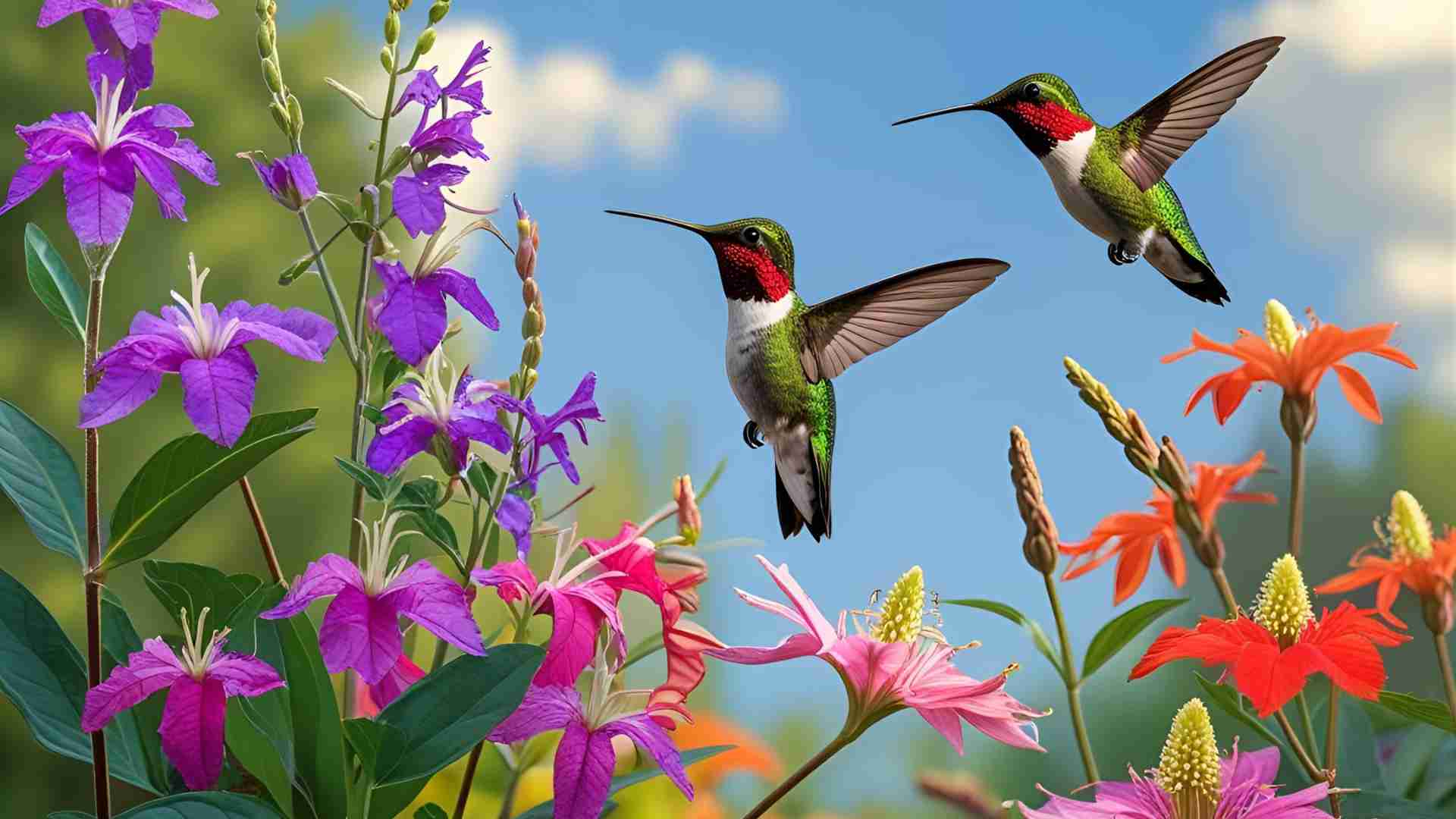
Hummingbirds, with their iridescent feathers and lightning-fast wings, are a delight to observe in any garden. These tiny pollinators not only add beauty but also play a critical role in ecosystems by pollinating plants and controlling pest insects. Attracting hummingbirds to your yard requires thoughtful planning, from selecting nectar-rich plants to creating a safe and inviting habitat. This comprehensive guide explores the best plants to draw hummingbirds, practical tips for garden design, and strategies to ensure these vibrant birds keep returning year after year.
Why Hummingbirds Matter
Hummingbirds are among the most effective pollinators in North America, transferring pollen as they feed on nectar from tubular flowers. Their rapid wingbeats—up to 80 flaps per second—allow them to hover with precision, making them uniquely adapted to pollinate plants with deep, narrow blooms. Beyond pollination, hummingbirds consume small insects, such as mosquitoes and beetles, helping to protect your garden naturally. Their remarkable memory enables them to return to reliable food sources annually, making your yard a potential long-term haven.
Best Plants for Attracting Hummingbirds
To attract hummingbirds, focus on plants with vibrant, tubular flowers that produce ample nectar. Below is a curated list of flowers, vines, shrubs, and trees that hummingbirds love, complete with care tips and USDA hardiness zones to guide your planting decisions.
1. Flowers for Hummingbirds
Hummingbirds are drawn to brightly colored, nectar-rich flowers, particularly those with tubular shapes that accommodate their long bills. Here are some top choices:
Bee Balm (Monarda didyma)
A member of the mint family, bee balm produces vibrant red, pink, or purple blooms from summer to fall. Its nectar-rich flowers are a hummingbird magnet.
- USDA Hardiness Zones: 3–9
- Light: Full sun to partial shade
- Soil: Moist, slightly acidic
- Mature Size: 10–48 inches tall, 10–36 inches wide
- Care Tip: Deadhead spent blooms to encourage continuous flowering.
- Price: $5–$15 per plant at local nurseries or online retailers like Burpee.
Red Columbine (Aquilegia canadense)
This perennial boasts delicate red and yellow bell-shaped flowers that bloom in spring, perfect for early-arriving hummingbirds.
- USDA Hardiness Zones: 3–8
- Light: Full sun to partial shade
- Soil: Sandy, loamy, well-drained
- Mature Size: 1–3 feet tall, 1–2 feet wide
- Care Tip: Plant in groups for a striking visual effect.
- Price: $8–$20 per plant.
Salvia (Salvia nemorosa)
Known for its vibrant purple or red spikes, salvia blooms throughout summer, attracting hummingbirds and butterflies alike.
- USDA Hardiness Zones: 4–8
- Light: Full sun
- Soil: Moist, well-drained
- Mature Size: 18–24 inches tall and wide
- Care Tip: Cut back after flowering to promote reblooming.
- Price: $6–$18 per plant.
Lupine (Lupinus perennis)
Native to North America, lupine’s colorful spikes in blue, pink, or red thrive in sunny spots and attract hummingbirds.
- USDA Hardiness Zones: 3–8
- Light: Full sun
- Soil: Well-drained, slightly acidic
- Mature Size: 2–24 inches tall, 12–18 inches wide
- Care Tip: Avoid overwatering to prevent root rot.
- Price: $7–$15 per plant.
Phlox (Phlox paniculata)
Garden phlox offers fragrant, clustered blooms in shades of pink, purple, or white, ideal for hummingbird gardens.
- USDA Hardiness Zones: 4–8
- Light: Full sun to partial shade
- Soil: Moist, well-drained
- Mature Size: 2–4 feet tall, 2–3 feet wide
- Care Tip: Ensure good air circulation to prevent powdery mildew.
- Price: $10–$25 per plant.
| Flower | USDA Zones | Flower Colors | Mature Size | Price Range |
|---|---|---|---|---|
| Bee Balm | 3–9 | Red, purple, pink | 10–48 in. tall | $5–$15 |
| Red Columbine | 3–8 | Red, yellow, blue | 1–3 ft. tall | $8–$20 |
| Salvia | 4–8 | Purple, red | 18–24 in. tall | $6–$18 |
| Lupine | 3–8 | Blue, pink, red | 2–24 in. tall | $7–$15 |
| Phlox | 4–8 | Pink, purple, white | 2–4 ft. tall | $10–$25 |
2. Vines for Hummingbirds
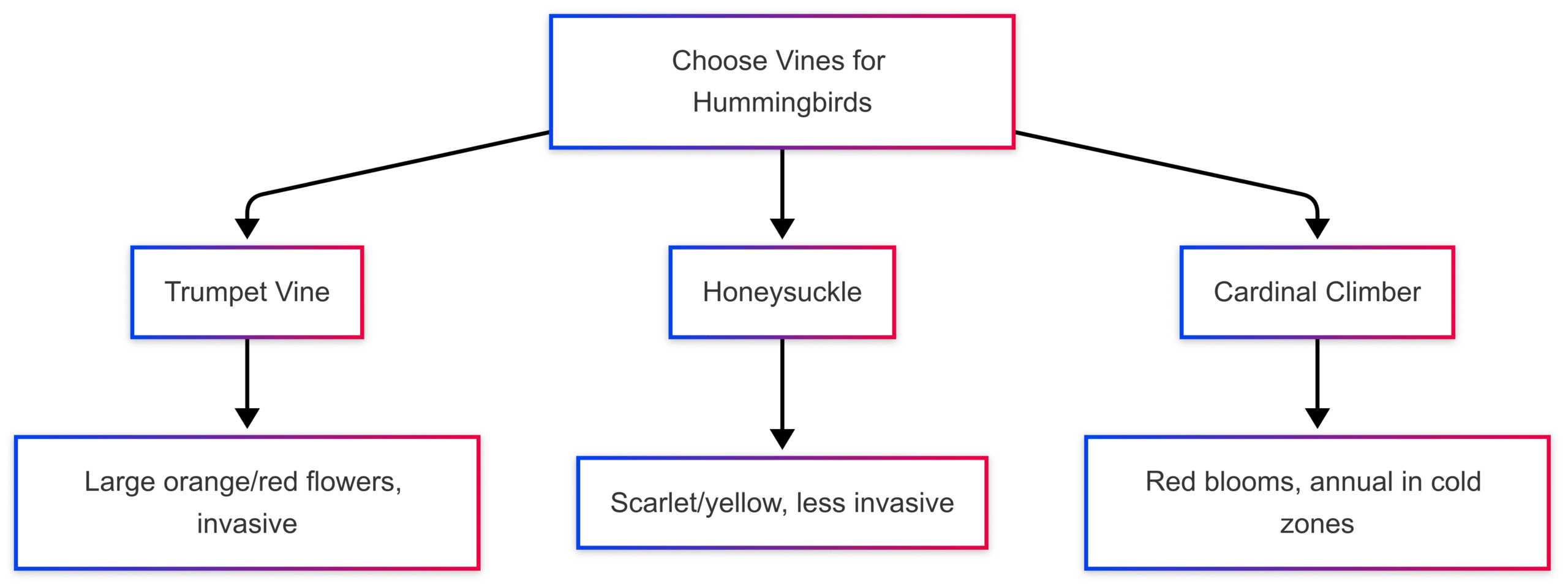
Vines provide vertical interest and ample nectar, making them excellent for trellises or fences.
Trumpet Vine (Campsis radicans)
This vigorous vine produces large, orange or red trumpet-shaped flowers that hummingbirds adore.
- USDA Hardiness Zones: 4–9
- Light: Full sun to partial shade
- Soil: Average, well-drained
- Mature Size: 25–40 feet long, 5–10 feet wide
- Care Tip: Prune annually to control its invasive tendencies.
- Price: $10–$30 per plant.
Honeysuckle (Lonicera sempervirens)
Coral honeysuckle, a native vine, offers scarlet or yellow tubular flowers and is less invasive than other species.
- USDA Hardiness Zones: 3–9
- Light: Full sun to partial shade
- Soil: Rich, moist, well-drained
- Mature Size: 10–20 feet long
- Care Tip: Train on a trellis for best display.
- Price: $12–$25 per plant.
Cardinal Climber (Ipomoea x multifida)
This annual vine features striking red blooms and grows quickly in warm climates.
- USDA Hardiness Zones: 10–12 (annual in colder zones)
- Light: Full sun
- Soil: Well-drained
- Mature Size: 6–15 feet long
- Care Tip: Plant after the last frost for rapid growth.
- Price: $3–$10 per seed packet.
3. Shrubs for Hummingbirds
Shrubs provide structure and nectar, creating a focal point in hummingbird gardens.
Butterfly Bush (Buddleia davidii)
This shrub’s long, colorful flower spikes attract hummingbirds, butterflies, and bees.
- USDA Hardiness Zones: 5–9
- Light: Full sun
- Soil: Moist, well-drained
- Mature Size: 3–12 feet tall, 3–8 feet wide
- Care Tip: Opt for non-invasive cultivars like ‘Blue Chip.’
- Price: $15–$40 per plant.
Rose of Sharon (Hibiscus syriacus)
A late-blooming shrub with trumpet-like flowers in various colors, perfect for late-season hummingbirds.
- USDA Hardiness Zones: 5–8
- Light: Full sun to partial shade
- Soil: Moist, well-drained, acidic
- Mature Size: 8–12 feet tall, 6–10 feet wide
- Care Tip: Prune to maintain shape and prevent seeding.
- Price: $20–$50 per plant.
Glossy Abelia (Linnaea x grandiflora)
This evergreen shrub produces scented, funnel-shaped flowers that hummingbirds love.
- USDA Hardiness Zones: 6–9
- Light: Full sun to partial shade
- Soil: Well-drained
- Mature Size: 3–6 feet tall and wide
- Care Tip: Trim lightly to encourage bushy growth.
- Price: $15–$35 per plant.
4. Trees for Hummingbirds
Trees offer nectar and nesting opportunities, enhancing your yard’s appeal.
Silk Tree (Albizia julibrissin)
Also known as mimosa, this tree’s puffy pink flowers attract hummingbirds but can be invasive in some regions.
- USDA Hardiness Zones: 6–9
- Light: Full sun to partial shade
- Soil: Moist, well-drained
- Mature Size: 20–40 feet tall, 20–50 feet wide
- Care Tip: Monitor for invasiveness in the southeastern U.S.
- Price: $30–$80 per tree.
Desert Willow (Chilopsis linearis)
This drought-tolerant tree produces fragrant, trumpet-shaped flowers ideal for arid climates.
- USDA Hardiness Zones: 7–11
- Light: Full sun
- Soil: Well-drained
- Mature Size: 15–30 feet tall, 10–20 feet wide
- Care Tip: Plant in fall for best establishment.
- Price: $25–$60 per tree.
Designing a Hummingbird-Friendly Yard
Creating a hummingbird haven goes beyond planting the right flowers. Consider these elements to make your yard irresistible:
1. Group Plants Strategically
Hummingbirds are attracted to clusters of colorful flowers. Plant in groups of three or more to create a visual beacon. Mix annuals like petunias with perennials like bee balm for continuous blooms from spring to fall.
2. Provide Water Features
Hummingbirds love shallow water for drinking and bathing. A birdbath with a gentle fountain or a mister can be a major draw.
- Tip: Place water features in shaded areas to keep water cool and reduce evaporation.
- Price: Basic birdbaths cost $20–$100; misters range from $15–$50.
3. Use Hummingbird Feeders
Feeders supplement natural nectar sources, especially during migration. Use a sugar-water solution (1 part sugar to 4 parts water, no food coloring).
- Placement: Hang feeders 5–6 feet off the ground, near flowers but away from predator hiding spots. Use multiple feeders out of sight from each other to reduce territorial disputes.
- Maintenance: Clean feeders every 3–4 days to prevent mold.
- Price: Feeders cost $10–$40 at retailers like Amazon or local garden centers.
4. Offer Perches and Shade
Hummingbirds need perches for resting and scouting. Small branches, trellises, or even clotheslines work well. Provide shaded areas with trees or shrubs for resting spots.
5. Avoid Pesticides
Pesticides harm hummingbirds directly and reduce their insect food sources. Opt for natural pest control methods, such as companion planting or introducing beneficial insects like ladybugs.
6. Encourage Nesting
Hummingbirds use soft materials like cattail fluff or spider webs for nests. Leave natural materials like dried grasses or plant down in your yard.
- User Tip: As shared by a community member, collect cattails in fall and place them in pots in spring for nesting material.
Regional Considerations
Plant choices depend on your climate and USDA hardiness zone. Use resources like the Audubon Society’s native plant database to find hummingbird-friendly plants suited to your region. Enter your zip code to get a tailored list of native species that attract local hummingbird species, such as Anna’s or ruby-throated hummingbirds.
| Region | Recommended Plants | Hummingbird Species |
|---|---|---|
| Northeastern U.S. | Red columbine, bee balm, coral honeysuckle | Ruby-throated |
| Southeastern U.S. | Trumpet vine, lantana, rose of Sharon | Ruby-throated, Rufous |
| Southwestern U.S. | Desert willow, salvia, hummingbird bush | Anna’s, Black-chinned |
| Pacific Northwest | Fuchsia, butterfly bush, bluebeard | Anna’s, Rufous |
Common Mistakes to Avoid
- Overusing Pesticides: Even organic pesticides can reduce insect populations critical for hummingbird diets.
- Planting Invasive Species: Avoid aggressive plants like non-native honeysuckle or silk trees in sensitive ecosystems.
- Neglecting Feeder Maintenance: Moldy feeders can sicken hummingbirds. Clean regularly with a vinegar solution.
- Excessive Lighting: Minimize outdoor lighting at night to avoid disrupting hummingbird behavior.
Creative Tips from the Community
Gardeners on platforms like Reddit share innovative ideas:
- Play Hummingbird Sounds: Playing hummingbird chirps on your phone near feeders can attract curious birds, as suggested by a user.
- Plant Wildflowers: Scatter wildflower seeds for a low-maintenance, nectar-rich display, as recommended by community members.
- Patience Pays Off: Building a hummingbird-friendly yard takes time, but consistent effort yields more visitors each year.
Cost Breakdown for a Hummingbird Garden
Creating a hummingbird garden can fit various budgets. Here’s a sample cost estimate for a small 100-square-foot garden:
| Item | Quantity | Cost Range | Total |
|---|---|---|---|
| Bee Balm Plants | 5 | $5–$15 each | $25–$75 |
| Trumpet Vine | 2 | $10–$30 each | $20–$60 |
| Hummingbird Feeder | 2 | $10–$40 each | $20–$80 |
| Birdbath with Mister | 1 | $35–$150 | $35–$150 |
| Total Estimated Cost | $100–$365 |
Conclusion
Attracting hummingbirds to your yard is a rewarding endeavor that enhances your garden’s beauty and supports local ecosystems. By planting nectar-rich flowers like bee balm and red columbine, adding vines like trumpet vine, and incorporating shrubs and trees, you create a vibrant habitat. Enhance your garden with water features, feeders, and nesting materials while avoiding pesticides and invasive plants. With patience and strategic planning, your yard can become a hummingbird haven, buzzing with life and color season after season.
For plant purchases, check local nurseries or trusted online retailers like Burpee, Proven Winners, or Nature Hills Nursery. To find native plants for your area, visit the Audubon Society’s native plant database. Happy gardening, and enjoy the flutter of hummingbird wings in your yard!
Please share this Clever DIY Tension Rod Shoe Shelving for Your Closet your friends and do a comment below about your feedback.
We will meet you on next article.
Until you can read, Clever DIY Tension Rod Shoe Shelving for Your Closet