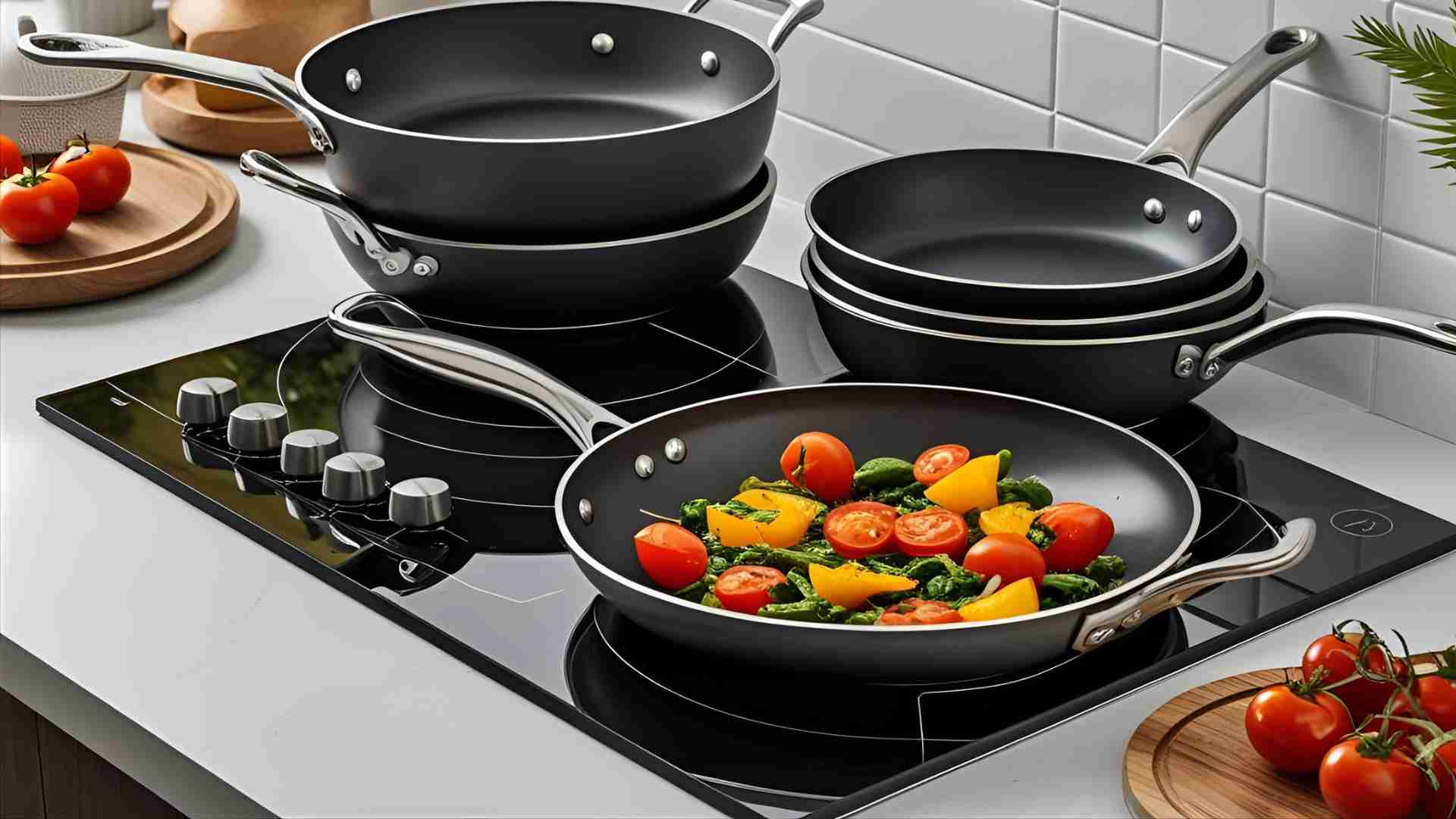
What material pans to use with glass-ceramic cooktop?
Discover the best cookware for glass-ceramic cooktops. Learn about materials, flat bottoms, and top picks to ensure optimal cooking and protect your stove.
Glass-ceramic cooktops, known for their sleek design, energy efficiency, and precise temperature control, have become a staple in modern kitchens. Their smooth, flat surfaces make them easy to clean and provide additional counter space when not in use. However, to maximize their performance and longevity, selecting the right cookware is critical. Using inappropriate pots and pans can lead to uneven cooking, wasted energy, or even damage to the cooktop’s delicate surface. This guide explores the best cookware materials, key considerations, and top product recommendations for glass-ceramic cooktops, ensuring you achieve delicious results while keeping your appliance in pristine condition.
Understanding Glass-Ceramic Cooktops
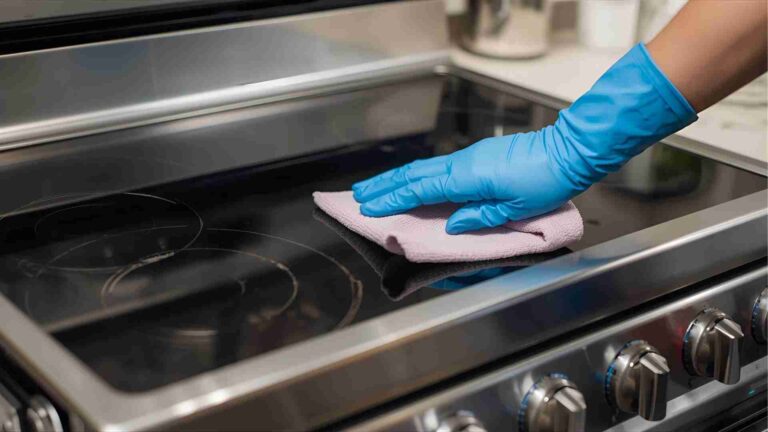
Glass-ceramic cooktops, often referred to as smooth-top electric or radiant cooktops, operate by passing an electric current through heating elements beneath a smooth glass surface. The heated elements transfer thermal energy to the glass, which then conducts heat to the cookware. For induction cooktops, a subset of glass-ceramic models, an electromagnetic field directly heats magnetic cookware, offering even faster and more precise heating. The efficiency of this heat transfer depends heavily on the cookware’s material, weight, and bottom design.
The smooth surface of these cooktops, while aesthetically pleasing, is susceptible to scratches, cracks, and stains if not paired with compatible cookware. Choosing pots and pans with flat, smooth bottoms and appropriate materials ensures optimal performance, prevents damage, and enhances the cooking experience.
Key Factors in Selecting Cookware for Glass-Ceramic Cooktops
To choose the best cookware for your glass-ceramic cooktop, consider the following factors:
1. Cookware Material
The material of your pots and pans significantly impacts heat conduction, retention, durability, and compatibility with the cooktop. Below is a detailed breakdown of common cookware materials and their suitability for glass-ceramic surfaces:
- Stainless Steel: Highly recommended due to its durability, non-reactive nature, and smooth, flat bottoms. Stainless steel cookware with a sandwiched aluminum or copper core (often called tri-ply or 5-ply) offers excellent heat conduction and even distribution, making it ideal for glass-ceramic cooktops. It resists staining and is easy to clean, though it may require a bit of oil or practice to prevent sticking during high-heat cooking.
- Aluminum: An excellent heat conductor, aluminum heats quickly and evenly. Hard-anodized aluminum or aluminum with a stainless steel base is particularly suitable, as it prevents metal marks that raw aluminum might leave on the cooktop. These marks, which resemble scratches, can often be removed with prompt cleaning but are best avoided.
- Copper: Known for superior heat conductivity, copper cookware provides rapid and uniform heating. However, copper-bottomed pans can leave residue or marks on the cooktop if overheated. Opt for copper cookware with a stainless steel base to minimize this risk.
- Enameled Cast Iron: While traditional cast iron is not recommended due to its rough texture and weight, enameled cast iron offers a smooth, stick-resistant surface that is less likely to scratch the cooktop. It heats slowly but retains heat well, making it suitable for braising or slow cooking.
- Titanium: Often combined with aluminum or stainless steel, titanium cookware is lightweight, durable, and conducts heat efficiently. Its smooth base makes it a good choice for glass-ceramic cooktops.
- Carbon Steel: Similar to cast iron, carbon steel is durable and retains heat well but is lighter and smoother. Flat-bottomed carbon steel pans are compatible, provided they are free of rough spots that could scratch the surface.
- Porcelain/Enamel on Metal: These pans perform well if they have a thick, flat bottom. However, avoid boiling them dry, as the coating can melt and fuse to the cooktop, causing irreparable damage.
- Glass and Ceramic: Not recommended due to poor heat conductivity and the risk of scratching the cooktop. These materials also require longer cooking times and constant monitoring.
- Stoneware: Incompatible due to its rough texture, which can scratch the cooktop, and poor heat conduction, leading to inefficient cooking.
2. Flat Bottoms
A perfectly flat bottom is non-negotiable for glass-ceramic cooktops. The flat surface ensures maximum contact with the cooktop, promoting efficient heat transfer and preventing hot spots. Warped or textured bottoms can reduce heating efficiency, cause uneven cooking, and potentially crack the glass. When shopping, look for cookware labeled as “flat-bottom” or “suitable for glass cooktops.” Older or thinner pans may warp over time, so inspect your cookware regularly for flatness.
3. Weight Considerations
Medium to heavyweight cookware is ideal for glass-ceramic cooktops, as it resists warping and ensures even heat distribution. However, excessively heavy pans, such as traditional cast iron, can risk cracking the glass if dropped or mishandled. Choose cookware that balances sturdiness with manageability to avoid accidental damage.
4. Size and Shape
Match the size of your cookware to the cooktop’s burner size for optimal heat transfer. Oversized pans waste energy, while undersized ones lead to uneven cooking. Pans with slightly curved or flared edges are easier to maneuver without scratching the surface. Avoid cookware that extends significantly beyond the heating zone.
5. Induction Compatibility
For induction cooktops, cookware must be magnetic. Stainless steel, carbon steel, and cast iron (including enameled versions) are typically induction-compatible. Test compatibility by checking if a magnet sticks to the pan’s base or consult the manufacturer’s specifications. Non-magnetic materials like aluminum, copper, glass, or ceramic will not work on induction cooktops.
6. Handles and Lids
Choose cookware with sturdy, heat-resistant handles that remain cool during cooking for safe handling. Riveted handles offer added security. Tempered glass lids allow you to monitor food without lifting, preserving heat and moisture. Ensure lids fit snugly to maintain consistent cooking temperatures.
7. Ease of Cleaning
Cookware that is easy to clean simplifies maintenance for both the pots and the cooktop. Nonstick coatings, such as ceramic or titanium, reduce sticking and make cleanup straightforward. Stainless steel is also easy to clean with proper care. Avoid abrasive scrubbers on both cookware and the cooktop to prevent scratches.
Top Cookware Recommendations for Glass-Ceramic Cooktops
Based on extensive testing and performance evaluations, here are some of the best cookware options for glass-ceramic cooktops, complete with specifications and pricing.
1. Best Overall: Caraway Nonstick Ceramic Cookware Set
- Price: $445 (Amazon), $430 (Wayfair), $395 (Target)
- Material: Ceramic-coated aluminum
- Oven-Safe Temperature: Up to 550°F
- Piece Count: 9 (10.5-inch fry pan, 3-quart saucepan with lid, 4.5-quart sauté pan with lid, 6.5-quart Dutch oven, magnetic storage rack, lid sleeve)
- Induction Compatible: Yes
- Care Instructions: Hand-wash recommended
- Pros: Excellent heat retention, nonstick ceramic coating free of PTFE, PFOA, lead, and cadmium, stylish design, includes storage accessories.
- Cons: Stainless steel handles can get hot, slightly heavy for some users, straight sides make pouring challenging.
The Caraway set is a top performer due to its even heating, nonstick surface, and compatibility with all cooktops, including induction. Its aluminum core ensures responsive heating, while the ceramic coating prevents sticking, making it ideal for frying, sautéing, and simmering. The smooth, flat bottom ensures excellent contact with the cooktop, and the set’s vibrant colors add aesthetic appeal to your kitchen.
2. Best Stainless Steel: Made In 10-Piece Stainless Set
- Price: $799 (Amazon), $809 (Walmart), $730 (Made In Cookware)
- Material: 5-ply stainless steel
- Oven-Safe Temperature: Up to 800°F
- Piece Count: 10 (8-inch and 10-inch fry pans, 2-quart and 4-quart saucepans with lids, 3-quart saucier with lid, 8-quart stockpot with lid)
- Induction Compatible: Yes
- Care Instructions: Dishwasher-safe
- Pros: Professional-grade durability, excellent heat distribution, balanced design, lifetime warranty.
- Cons: No nonstick pan included.
This set from Made In is designed for serious cooks, offering exceptional durability and heat distribution. The 5-ply construction ensures even cooking, and the rolled rims facilitate drip-free pouring. Its smooth base is perfect for glass-ceramic cooktops, and the dishwasher-safe feature simplifies cleanup.
3. Best Budget: Calphalon Classic 10-Piece Stainless Steel Cookware Set
- Price: $170 (Amazon), $249 (Walmart), $200 (Wayfair)
- Material: Stainless steel with bonded aluminum base
- Oven-Safe Temperature: Up to 450°F
- Piece Count: 10 (including lids)
- Induction Compatible: Yes
- Care Instructions: Dishwasher-safe
- Pros: Affordable, heats quickly, features pouring spouts and straining lids, interior measurement marks.
- Cons: May discolor over time, takes up significant storage space.
This budget-friendly set offers excellent value with its quick-heating aluminum base and stainless steel construction. The integrated pouring spouts and straining lids are practical for everyday cooking, though the pans may show discoloration with prolonged use.
4. Best Nonstick: OXO Ceramic Professional Non-Stick Cookware Set
- Price: $308 (Amazon), $400 (Wayfair, Target)
- Material: Hard-anodized aluminum with ceramic coating
- Oven-Safe Temperature: Up to 600°F (425°F with lids)
- Piece Count: 10 (including lids)
- Induction Compatible: Yes
- Care Instructions: Hand-wash recommended
- Pros: Durable nonstick coating, even heating, oven-safe, easy to clean.
- Cons: Slightly heavy, less even heating at skillet edges.
The OXO set combines a hard-anodized aluminum base with a ceramic nonstick coating, offering excellent performance for everyday cooking. Its smooth bottom and sturdy construction make it a reliable choice for glass-ceramic cooktops.
5. Best Splurge: All-Clad D5 Stainless Brushed 5-Ply Bonded Cookware Set
- Price: $1,000 (Amazon, Sur La Table), $900 (Williams Sonoma)
- Material: 5-ply stainless steel
- Oven-Safe Temperature: Up to 600°F
- Piece Count: 10 (8-inch and 10-inch fry pans, 1.5-quart and 3-quart saucepans with lids, 3-quart sauté pan with lid, 8-quart stockpot with lid)
- Induction Compatible: Yes
- Care Instructions: Dishwasher-safe, hand-wash recommended
- Pros: Premium construction, even heating, fingerprint-resistant finish.
- Cons: Heavy, long handles may complicate storage.
All-Clad’s D5 set is a premium choice with superior heat distribution and durability. Its brushed stainless steel finish resists fingerprints, and the flared rims make pouring easy, ensuring top performance on glass-ceramic cooktops.
Cookware to Use with Caution
While some materials are compatible, they require extra care to avoid damaging the cooktop:
- Cast Iron: Traditional cast iron is heavy and often has a rough texture, increasing the risk of scratches or cracks. If using cast iron, ensure the bottom is clean and smooth, lift (don’t slide) the pan, and place it gently on the cooktop. Enameled cast iron, like the Le Creuset 5.5-Quart Dutch Oven ($420, Amazon), is a safer alternative due to its smooth coating.
- Copper-Bottomed Pans: These can leave residue or marks if overheated. Use copper pans with a stainless steel base to minimize risk.
- Porcelain/Enamel on Metal: Ensure the coating is smooth and avoid boiling dry to prevent fusing to the cooktop.
Cookware to Avoid
- Glass and Ceramic: Poor heat conductors that may scratch the cooktop and require longer cooking times.
- Stoneware: Rough texture risks scratching and offers poor heat conduction.
- Thin Aluminum or Copper: Without a stainless steel base, these can leave marks or warp, reducing efficiency.
Chart: Cookware Material Compatibility

Maintaining Your Glass-Ceramic Cooktop and Cookware
Proper care ensures both your cookware and cooktop remain in top condition:
Cooktop Cleaning
- Cool Down: Always wait until the cooktop is completely cool before cleaning.
- Mild Cleaners: Use a non-abrasive cleaner with a degreaser or a commercial glass cooktop cleaner. Apply, let sit for a minute, and scrub gently with a non-abrasive sponge.
- Stubborn Stains: For burnt-on food, apply a paste of baking soda and water or use a commercial scratch remover like NuFinish Scratch Doctor. Avoid abrasive scrubbers or razor blades unless recommended by the manufacturer.
- Regular Wiping: Wipe the cooktop after each use to prevent residue buildup.
Cookware Care
- Lift, Don’t Slide: Always lift cookware to avoid scratching the cooktop.
- Check Bottoms: Regularly inspect cookware bottoms for debris or rough spots.
- Clean Promptly: Wash cookware soon after use to prevent residue from hardening. For nonstick or enameled surfaces, hand-washing with mild soap is best.
- Cast Iron Specifics: Clean cast iron with hot water and a scraper, dry thoroughly on the cooktop, and apply a light oil coating to maintain seasoning.
Check the manufacturer’s specifications or test with a magnet—if it sticks to the pan’s base, it’s induction-compatible. Stainless steel, carbon steel, and cast iron are typically magnetic.
Yes, but with caution. Ensure the bottom is clean and smooth, lift (don’t slide) the pan, and place it gently to avoid scratches or cracks. Enameled cast iron is safer.
For minor scratches, apply a paste of 2 teaspoons baking soda and 1 teaspoon water, then buff gently with a soft cloth. Commercial scratch removers can also help. For deep scratches or cracks, consult a professional.
Yes, all recommended cookware (stainless steel, aluminum, etc.) is compatible with gas stoves, offering versatility across different cooktop types.
Conclusion
Choosing the right cookware for your glass-ceramic cooktop is essential for achieving excellent cooking results and preserving the appliance’s sleek surface. Stainless steel, anodized aluminum, and enameled cast iron are top choices due to their smooth, flat bottoms and efficient heat conduction. Avoid glass, ceramic, stoneware, and thin aluminum or copper to prevent scratches and poor performance. By selecting high-quality cookware, matching pan sizes to burners, and following proper maintenance practices, you can enjoy the benefits of your glass-ceramic cooktop for years to come. Invest in sets like the Caraway Nonstick Ceramic or All-Clad D5 for reliable performance, and always handle cookware with care to keep your kitchen shining.
Please share this What material pans to use with glass-ceramic cooktop? your friends and do a comment below about your feedback.
We will meet you on next article.
Until you can read, How To Wire a 240V Outlet for Appliances